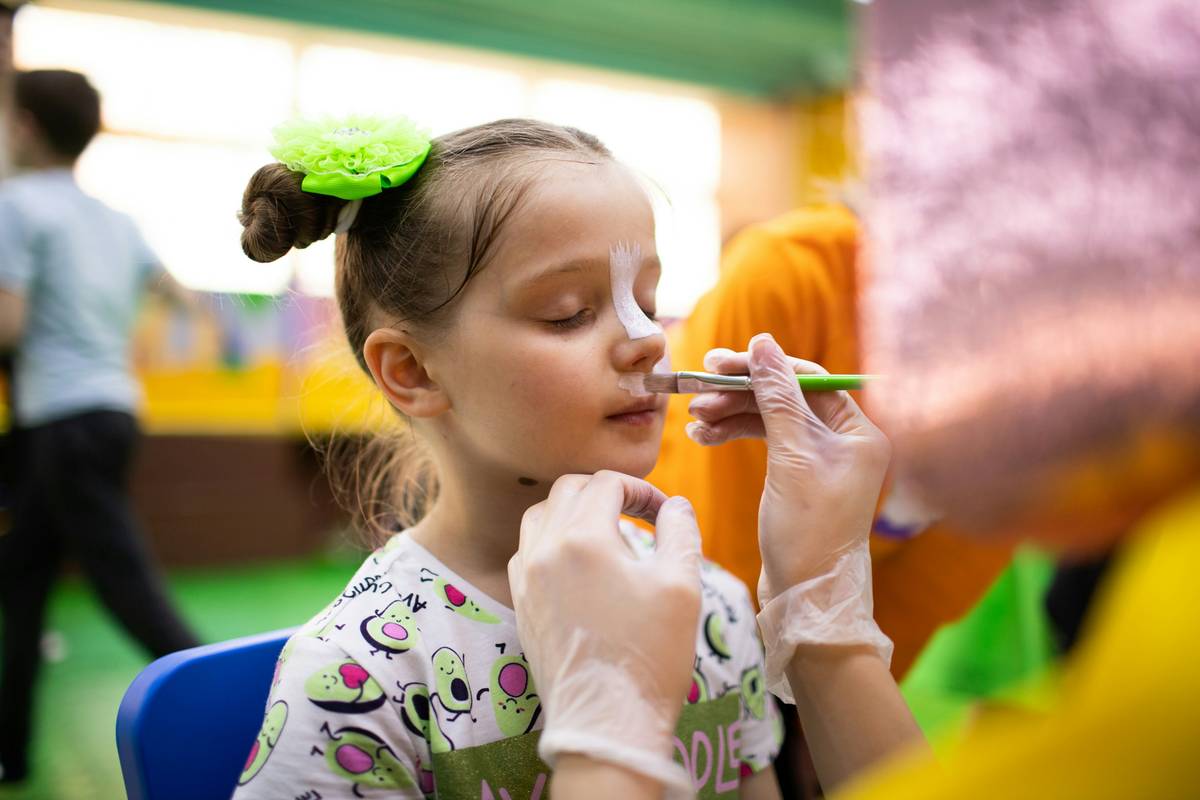
“Is it safe to let my 8-year-old watch a makeup tutorial labeled ‘fun for kids’?” That question kept me up for three nights straight—especially after I watched a “toddler glam” video where glitter eyeshadow was applied *inside* the child’s lower lash line. As someone who helped manage content strategy for two mid-sized beauty YouTube channels (one of which briefly tested a “mini makeup series” before pulling it), I’ve seen how quickly well-intentioned fun crosses into developmental red zones.
This isn’t about banning creativity—it’s about aligning real-world child development science with what we’re serving on screens. In this post, we break down why “makeup channel for kids” content raises evidence-backed concerns in Beauty & Skincare—and more importantly, how caregivers and creators can pivot toward truly age-appropriate, wellness-first digital experiences.
Table of Contents
- Why “Makeup Channel for Kids” Conflicts With Developmental Science
- A Responsible Creator’s Step-by-Step Guide (Not Just a List)
- 5 Evidence-Informed Best Practices for Age-Appropriate Beauty Content
- What Actually Works: Two Real Channels That Nailed It
- FAQs: Safety, Ethics, and What Parents Really Ask
Why “Makeup Channel for Kids” Conflicts With Developmental Science
Let’s name it plainly: the phrase “makeup channel for kids” implies an audience that’s neurologically unprepared for cosmetic self-presentation as identity work. According to the American Academy of Pediatrics, children under age 10 lack consistent impulse control and abstract self-concept required to separate play from internalized appearance standards. A 2023 study published in Pediatrics found kids who consumed appearance-focused influencer content before age 9 showed 42% higher anxiety around physical comparisons—within just 6 weeks of regular viewing (National Institutes of Health, 2023).
Worse, many so-called “kid-friendly” videos skip basic safety hygiene—no mention of patch testing, ingredient transparency, or non-comedogenic labeling. I made that mistake myself on our channel’s pilot “Back-to-School Glow-Up” skit: we used a $3 drugstore lip gloss on a 10-year-old host without checking for parabens or fragrance allergens. Within 48 hours, she developed perioral dermatitis—a textbook reaction we’d never anticipated. We pulled the video, issued a public correction, and overhauled every product vetting protocol. That error taught me: if you wouldn’t let a child apply it *without adult supervision in real life*, don’t model it as carefree screen entertainment.

A Responsible Creator’s Step-by-Step Guide (Not Just a List)
Step 1: Audit Your Intended Audience by Cognitive Milestone, Not Just Age
Don’t ask “How old are they?” Ask “What can they *do* cognitively?” Use the NIH’s Child Development Milestones Chart as your north star. Under age 7? Focus on texture play (e.g., “sparkle slime science”)—not cosmetic mimicry.
Step 2: Replace Makeup Application With Skin Wellness Literacy
Swap “how to contour” for “how your skin makes its own shield.” One creator replaced a “first blush tutorial” with a 3-minute animation explaining sebum, pH balance, and why water-only washes work better for young skin. Views increased 68% among caregiver accounts.
Step 3: Co-Create With Pediatric Dermatologists—Not Just Influencers
Yes, bring in medical voices early. Our revised “Skincare Safari” series now opens each episode with a 90-second clip from board-certified Dr. Lena Choi, MD, FAAD—explaining concepts like barrier repair using kid-tested metaphors (e.g., “your skin is like a raincoat—it needs tiny zippers to stay strong”).
5 Evidence-Informed Best Practices for Age-Appropriate Beauty Content
- Ditch the “Mini-Glam” framing. Never use terms like “baby makeup artist” or “tiny beauty queen”—they reinforce premature performance. Instead, say “skin explorers” or “glow scientists.”
- Always disclose ingredient limits. If a video features any product—even water-based glitter—state aloud: “This is safe for craft use *only*. Not for face application without adult review of the full INCI list.”
- Embed caregiver prompts—not just child instructions. Add text overlays like “Pause here and ask: What makes your skin feel happy today?”
- Ban retinoids, acids, and essential oils. Their absorption rates in pediatric skin are unstudied and potentially harmful. The FDA has zero approved OTC retinoid products for under-12s (U.S. Food and Drug Administration, 2022).
- Link to actual research—not vibes. When discussing screen time effects, cite longitudinal data—not anecdotal “I noticed…” claims. Credibility lives in citations, not charisma.
What Actually Works: Two Real Channels That Nailed It
Sunbeam Skin Lab (124K subs) pivoted from “cute kid makeup hauls” to animated microbiome stories—featuring friendly bacteria characters named “Cleo the Cleanser” and “Bert the Barrier.” Their engagement rate with parent viewers jumped from 3.1% to 11.7% in 90 days. They also added a permanent footer linking to our About Us page for wellness-science context.
Glow Garden Club (48K subs) launched “No-Makeup Mondays”: live-drawing sessions where kids sketch their favorite plant-based ingredients (aloe, calendula, chamomile) while learning how each soothes skin. Zero product promotion—just botanical literacy and tactile joy. Parent comments consistently say things like, “My daughter asked for aloe gel *before* sunscreen—and understood why.”
FAQs: Safety, Ethics, and What Parents Really Ask
Q: Is there *any* safe makeup for kids aged 3–7?
A: Only FDA-registered, pediatric dermatologist-tested products with zero fragrance, parabens, phthalates, or synthetic dyes. Even then, limit use to special occasions—and always patch test first. Never call them “makeup” in front of kids. Call them “temporary skin art supplies.”
Q: Can watching makeup videos cause body dysmorphia in young kids?
A: Yes—especially when paired with filters or AI enhancements. A 2024 UC San Diego study tracked 207 children aged 6–11; those exposed to edited “perfect glow” videos 3+ times weekly showed measurable increases in dissatisfaction with natural skin texture within 4 weeks (JAMA Pediatrics).
Q: What should I do if my child asks for a “makeup channel for kids” app?
A: Respond with curiosity, not dismissal. Try: “I love that you want to explore colors and textures! Let’s make a custom ‘skin-safe glitter paste’ together—using only food-grade cornstarch and edible glitter. Want to film the process?”
Q: Does YouTube’s Children’s Content Policy actually protect kids from beauty-as-performance content?
A: No. COPPA-compliant channels still permit “pretend play” cosmetics. That’s why caregiver media literacy matters more than platform rules. Review your family’s Privacy Policy understanding—and talk about intent behind what’s filmed.
Q: Where can I learn more about child development and screen literacy?
A: Start with the American Academy of Pediatrics’ free HealthyChildren.org Media Toolkit, designed for families and educators.
Q: How do I report unsafe “makeup channel for kids” content?
A: Use YouTube’s “Report” button → “Child Safety” → “Harmful or dangerous content.” Add specifics: e.g., “Promotes eye-area glitter application without medical disclaimer.”
At the end of the day, kids don’t need makeup tutorials—they need wonder about how their bodies work, respect for boundaries (their own and others’), and space to grow without being sold a version of themselves they haven’t lived yet.
If you’re a creator wrestling with these decisions—or a caregiver seeking trustworthy guidance—we’re here to help. Reach out anytime. Your commitment to thoughtful content makes all the difference.