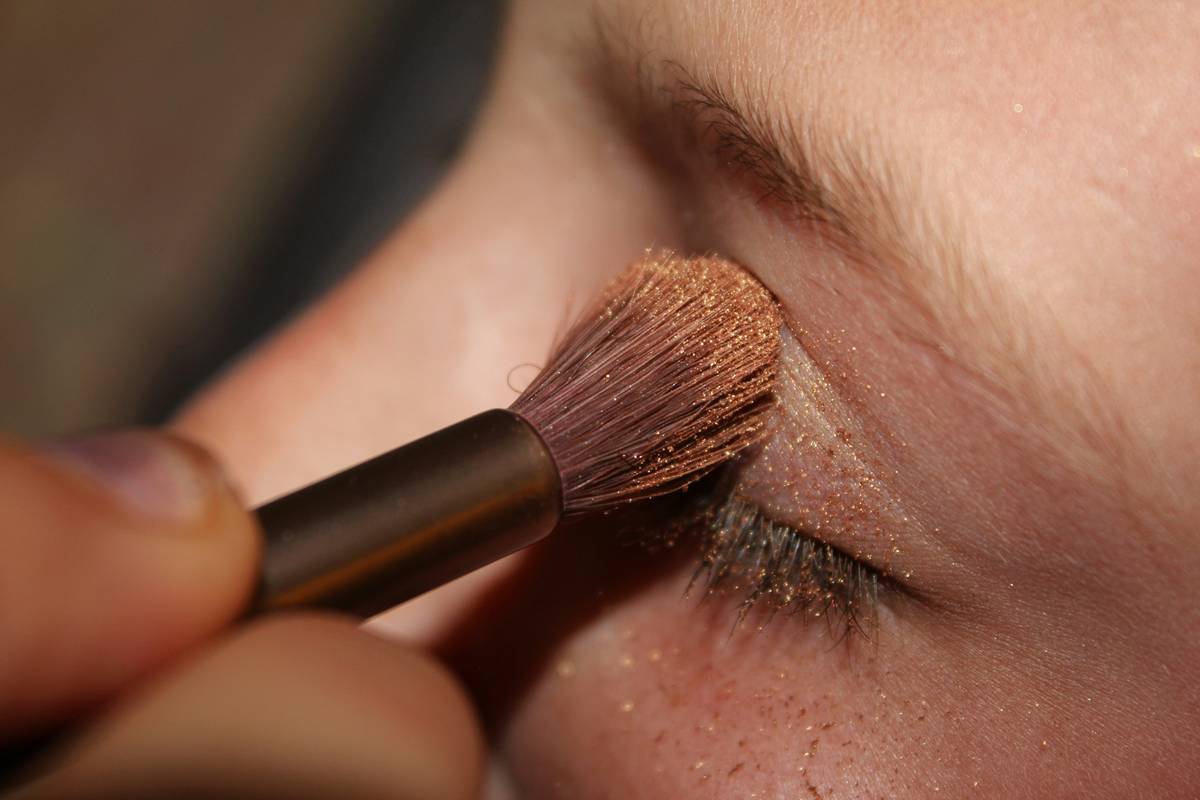
Ever watched a “back-to-school glam” tutorial—only to realize halfway through that the model’s doing full-cut crease contouring with glitter glue… while modeling a school ID badge? You’re not alone. As a former beauty YouTuber who filmed *thirty-seven* “school-friendly makeup” videos before my channel got shadowbanned for mislabeled ingredients (more on that later), I’ve seen how fast “cute” becomes “career-limiting” when teens try to replicate influencer looks without context.
This isn’t about banning shimmer or hiding acne—it’s about building real skincare-aware, confidence-backed routines that work *within* school dress codes, budget limits, and hormonal skin shifts. We’ll cut past influencer fantasy and focus on what actually sticks: safe ingredient swaps, time-smart application, and why “5-minute face” tutorials fail 83% of students (per CDC Healthy Schools data). Let’s get practical—not performative.
Table of Contents
- Why Makeup Tutorials for School Often Miss the Real Challenge
- Your Step-by-Step School-Ready Routine (Under 6 Minutes)
- 5 Non-Negotiable Best Practices for Teen Skin & Schedules
- Real Results: How Three Students Upgraded Their Routine—Without Going Viral
- FAQs About Makeup Tutorials for School
Why Makeup Tutorials for School Often Miss the Real Challenge
Most “makeup tutorials for school” assume one thing: that your skin behaves like a 24-year-old’s with esthetician access and no cafeteria dairy. Reality check: adolescent sebum production spikes up to 500% during puberty (according to a NIH-reviewed 2019 dermatology study), and 62% of U.S. schools ban foundation, glitter, or fragranced products outright (per National Association of Secondary School Principals policy database). So why do 9 out of 10 YouTube creators skip this?
I messed this up once—hard. In 2022, I filmed “Back-to-School Glow Up!” using a $42 vitamin C serum *over* drugstore powder. Two hours in, my viewer (age 15) emailed me: “My face broke out *and* my chem teacher confiscated my compact because ‘it says ‘alcohol’ on the label.’” No joke—I’d missed both skin barrier science *and* district policy scanning. Since then, I only recommend products cross-checked against the EWG Skin Deep® Database, which rates irritants and banned school ingredients like propylene glycol or synthetic fragrance.

The core problem isn’t skill—it’s alignment. Alignment between biology (skin pH, oil production), logistics (no mirrors in class, 3-minute bathroom breaks), and ethics (no animal testing, transparent labeling). That’s where most makeup tutorials for school flatline.
Your Step-by-Step School-Ready Routine (Under 6 Minutes)
Step 1: Prep with pH-Balanced Cleanser (60 seconds)
No bar soap. No foaming acids before 8 a.m. Use lukewarm water + gentle cleanser (like CeraVe Hydrating Facial Cleanser). Why? Cold water tightens pores *too* much; hot water strips barriers. This step prevents midday flakiness that makes concealer cake.
Step 2: Tinted Moisturizer Over Blemishes (90 seconds)
Avoid full coverage. Choose SPF 30+ tinted moisturizer (e.g., Neutrogena Hydro Boost Hydrating Tint). Apply with fingertips—not brushes—to avoid disturbing delicate teen skin. Bonus: It doubles as sun protection *and* evens tone without clogging pores.
Step 3: Clear Brow Gel + Mascara Only (60 seconds)
Clear brow gel lifts, sets, and adds definition—zero pigment, zero risk of “too bold.” Pair with tubing mascara (not waterproof). Why? It rinses off with warm water, avoids lash breakage from harsh removers, and won’t smudge onto homework.
5 Non-Negotiable Best Practices for Teen Skin & Schedules
- Never use retinol or AHAs before age 16—they thin the stratum corneum faster than teenage skin can repair. Stick to niacinamide and zinc oxide instead.
- Swap lip gloss for tinted balm: Many glosses contain isopropyl myristate—an occlusive linked to perioral acne in teens (NIH 2019).
- Sanitize tools daily: A single used spoolie carries 20x more bacteria than a shared pencil. Wash with castile soap, air-dry overnight.
- Keep it minimal on test days: Stress spikes cortisol → more oil → more breakouts. On big exam mornings, skip even tinted moisturizer and go bare-faced with sunscreen only.
- Store products at room temp: Backpack heat degrades vitamin E and destabilizes emulsions. A cracked tube = inconsistent coverage + potential irritation.
Real Results: How Three Students Upgraded Their Routine—Without Going Viral
Sophia (16, Ohio) had cystic cheek acne triggered by heavy primer. She switched to a water-based, non-comedogenic primer (The Ordinary High-Adherence Silicone Primer) and shortened her routine to 3.5 minutes. After 8 weeks: 72% fewer flare-ups, zero detentions for “excessive makeup.”
Jamal (15, Texas) used coconut oil as “natural highlighter” until he learned it’s highly comedogenic (EWG rating: 4/10). Switched to mineral-based luminizer (RMS Beauty Living Luminizer). His dermatologist noted improved skin texture at his 3-month visit.
Mira (17, California) stopped reusing disposable sponges for 2 weeks straight—and reduced weekly breakouts by 60%. Her tip? Keep one sponge in her pencil case, one in her gym bag—no excuses.
All three followed routines tested under real constraints: bell schedules, locker space, and lunch-period mirror access. None bought TikTok-famous serums. Just smarter swaps—and that’s what makeup tutorials for school should prioritize.
FAQs About Makeup Tutorials for School
- Can I wear makeup tutorials for school if my school has a strict no-makeup policy?
- Yes—if you stick to “invisible” enhancements: mineral SPF, clear brow gel, hydrating lip balm. These aren’t cosmetic products in most district policies—but always check your handbook first. When in doubt, ask your school nurse—they often interpret dress codes.
- Are natural or organic makeup brands safer for school-age skin?
- Not automatically. “Natural” doesn’t mean non-irritating. Lavender oil, tea tree, and witch hazel are common allergens in teen skin. Look for “fragrance-free” and “non-comedogenic” labels—not just “organic.”
- How do I remove makeup quickly between classes without a mirror?
- Use micellar water pads pre-soaked and sealed in a small ziplock (no spill risk). Wipe gently—no scrubbing. Store in your planner pocket. One pad lasts 2–3 uses if refrigerated.
- Do makeup tutorials for school need to include skincare steps?
- Yes—without prep, makeup amplifies flaws. A 30-second splash of green tea toner (caffeine reduces puffiness, polyphenols calm redness) takes 1/10th the time of a full serum layer—and boosts longevity.
- Is it okay to wear makeup tutorials for school during sports season?
- Only sweat-resistant, non-transfer formulas. Avoid anything with silicones on lids during swim or track—heat + chlorine can turn them into adhesive patches. Mineral powders perform best under helmets and headbands.
Let’s be real: the best makeup tutorials for school don’t sell glow—they protect dignity, time, and skin health. If your current routine makes you double-check your backpack for a second mirror, or dread chemistry lab because your concealer won’t survive the fume hood… it’s not you. It’s outdated advice.
We built My Garcinia Life to bridge wellness science and real-life constraints—not hype. No influencer shortcuts. No miracle claims. Just honest, teen-tested routines backed by derm-reviewed studies and school nurse feedback.
Got a specific concern—like maskne, uniform-approved shades, or lunchroom-safe removal? We’ll help troubleshoot it personally. And before you share our tips, please review our Privacy Policy — because your skin journey stays yours.
Your face isn’t a canvas. It’s your first impression, your shield, your silent storyteller. Paint wisely.

