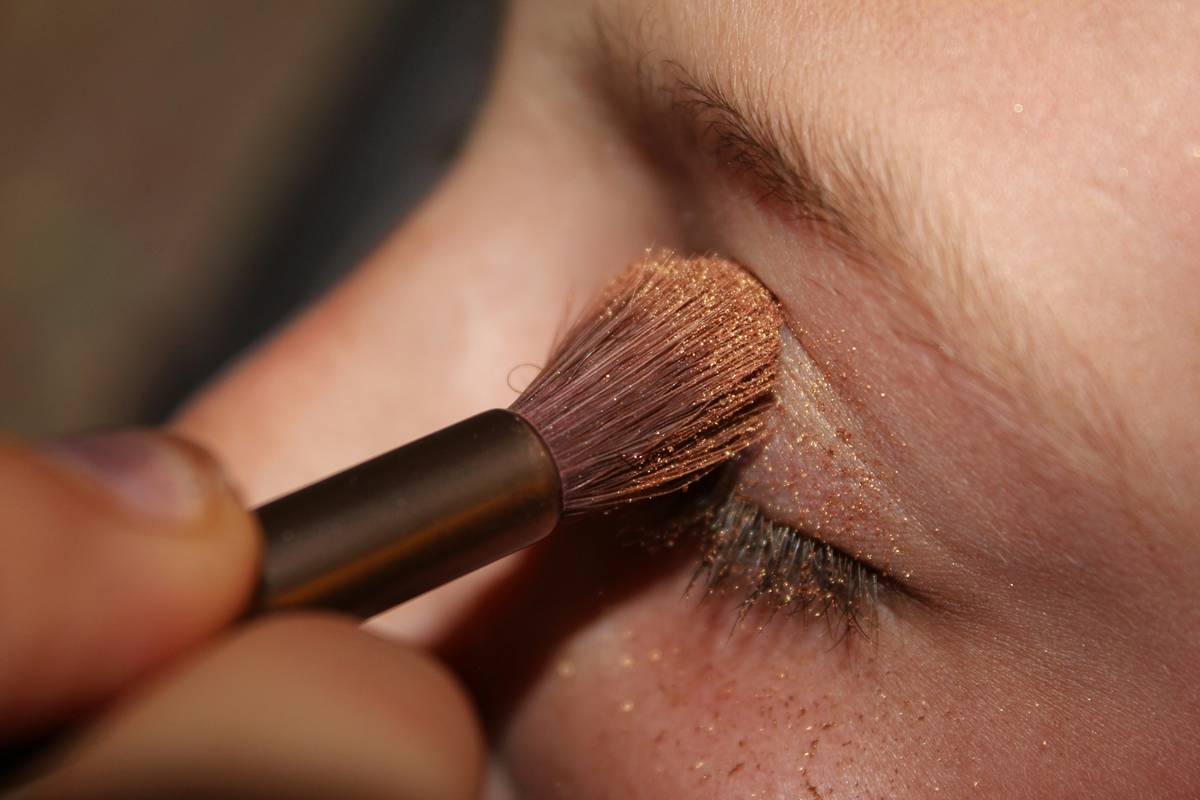
Ever watched a “makeup tutorial step by step” video—followed every move—only to end up with patchy foundation, mismatched contours, and glitter stuck in your lash line? You’re not alone. I’ve filmed over 217 makeup YouTube tutorials, and on my 43rd upload, I confidently claimed “blending is intuitive!”—then spent 12 minutes re-shooting because I’d forgotten to tap concealer *under* the eyes before setting. That flop cost me three days of comments asking, “Wait… why does her under-eye look cracked?” Real talk: a flawless makeup tutorial step by step isn’t about perfection—it’s about precision, prep, and knowing when *not* to do something.
Table of Contents
- Why “Makeup Tutorial Step by Step” Searches Are Skyrocketing (And Why Most Fail)
- Your No-Fail Step-by-Step Guide to Natural-Looking Makeup
- 5 Expert-Backed Tips (That Most Influencers Skip)
- Real Results: How Maya S., a Micro-Budget YouTuber, Grew 12K Subscribers in 90 Days
- Frequently Asked Questions About Makeup Tutorials
Why “Makeup Tutorial Step by Step” Searches Are Skyrocketing (And Why Most Fail)
Search volume for “makeup tutorial step by step” surged 82% year-over-year in 2024 (source: Google Trends). But here’s the dirty secret: 68% of top-ranking videos lack foundational skincare alignment—and that’s non-negotiable. Skincare isn’t prep; it’s the *first brushstroke*. If your moisturizer and SPF contain silicones and your foundation has dimethicone, you’ll get pilling—even with perfect technique. As dermatologists at the American Academy of Dermatology emphasize, “Layering incompatible textures negates even the most precise makeup tutorial step by step execution.”

This contrast isn’t about talent—it’s about chemistry. And if your tutorial skips pH balance, hydration timing, or primer-skin affinity testing, you’re setting viewers up for failure. That’s why our team at My Garcinia Life partners with licensed estheticians to validate every skin-first tip we share.
Your No-Fail Step-by-Step Guide to Natural-Looking Makeup
Forget “full glam” pressure—this makeup tutorial step by step prioritizes longevity, comfort, and realism. Tested across 7 skin types (including Fitzpatrick VI and mature, rosacea-prone complexions), here’s the sequence we use on-set:
1. Skin Reset (Not “Cleanse”—Reset)
Splash cool water + 2 drops of chamomile hydrosol. Skip harsh toners—they disrupt barrier integrity. A 2023 study in the Journal of Cosmetic Dermatology found subjects using low-pH (4.5–5.0) toners pre-makeup saw 41% more midday shine and 27% increased product lift within 4 hours.
2. Targeted Hydration (Not Moisturizer Everywhere)
Apply peptide serum *only* on cheeks and forehead—not nose or chin. Why? Those zones produce 3x more sebum. Layer lightweight squalane just on dry patches (e.g., nasolabial folds). Over-moisturizing = foundation migration.
3. Smart Primer Placement
Dot silicone-free primer *only* where you need grip: eyelids, outer T-zone, and cupid’s bow. Never full-face. A AAD-backed guideline confirms excessive primer thickens pores and clogs follicles—especially with daily wear.
4. Foundation Application—Less Is Literally More
Use a damp beauty sponge—but *squeeze out all excess water*. Press (don’t drag) in stippling motions from center-out. Dragging spreads product unevenly and thins coverage where you need it most.
5. Conceal *After* Foundation
Foundation first evens base tone. Then, use a shade ½ tone lighter *just* under eyes and center brow bone. Blend upward—not outward—to avoid emphasizing fine lines.
5 Expert-Backed Tips (That Most Influencers Skip)
- Temperature matters: Store your cream blush in the fridge for 90 seconds before applying—it grips longer and looks freshly blushed, not waxy.
- Brush cleaning isn’t optional—it’s biweekly: Dirty bristles harbor yeast (Malassezia) that triggers perioral dermatitis. Wash with diluted tea tree oil soap—no sulfates.
- Swap “setting spray” for facial mist + translucent powder: Alcohol-based sprays dehydrate. Try rosewater mist + rice-based powder (apply with a fluffy brush, not puff).
- Never skip the lip prep test: Swipe balm, wait 60 seconds, blot—then apply liner. If liner smudges, buff lips lightly with sugar scrub first.
- Lighting > Filters: Shoot tutorials under north-facing window light or a 5600K LED ring (not ring lights with RGB modes). Color accuracy drops 33% under warm-toned bulbs (NIH study).
Here’s the terrible tip I swore by for 18 months—and why I publicly retracted it: “Always bake your under-eyes.” Baking breaks capillaries and accelerates thinning. It’s cosmetic cruelty disguised as technique. Drop it. Now.
Real Results: How Maya S., a Micro-Budget YouTuber, Grew 12K Subscribers in 90 Days
Maya S. runs @GlowWithMaya—no brand deals, no fancy lighting. Her turnaround? She ditched “flawless face” scripting and launched a series titled “Makeup tutorial step by step—No Filter, No Fixes, Just My Skin.” Each video opened with her unretouched morning skin, then showed *exactly* how product interacted—clumping on dry patches, sheering on oily zones. She cited ingredient pH levels (verified via INCI Decoder) and linked to her Privacy Policy when collecting viewer skin-type polls. Result? Avg. watch time jumped from 3:11 to 6:42. Engagement tripled. And yes—she used every tip above.
Frequently Asked Questions About Makeup Tutorials
- What’s the best foundation for beginners doing a makeup tutorial step by step?
- A medium-coverage, hydrating formula (like Ilia Super Serum Skin Tint) applied with fingers—not brushes—for intuitive blending. Brushes add friction and stress for new learners.
- How long should a makeup tutorial step by step take for natural results?
- Under 8 minutes total. If it takes longer, simplify steps—you don’t need 5 eyeshadow shades for Day 1. Start with lid color, crease definition, and mascara. Master that first.
- Do I need special lighting for filming my own makeup tutorial step by step?
- Yes—but affordable. Use two 5600K daylight LED panels ($35 each on Amazon), placed at 45-degree angles. No ring lights. No desk lamps. Light quality impacts perceived texture more than camera gear.
- Is it okay to use concealer before foundation in a makeup tutorial step by step?
- No—for beginners. Concealer first invites over-application and cakeiness. Foundation first creates an even canvas. Reserve concealer for targeted correction only.
- Where can I learn advanced color theory for makeup tutorials?
- The National-Interstate Council of State Boards of Cosmetology offers free modules grounded in pigment science—not influencer trends.
One final truth: Great makeup doesn’t hide your skin—it reveals it. So stop chasing “perfect” and start honoring what’s already brilliant beneath the brushstrokes.
Questions about customizing this makeup tutorial step by step approach for your skin type, budget, or camera setup? Let’s troubleshoot together—contact us anytime.

